Equipment
Equipment register
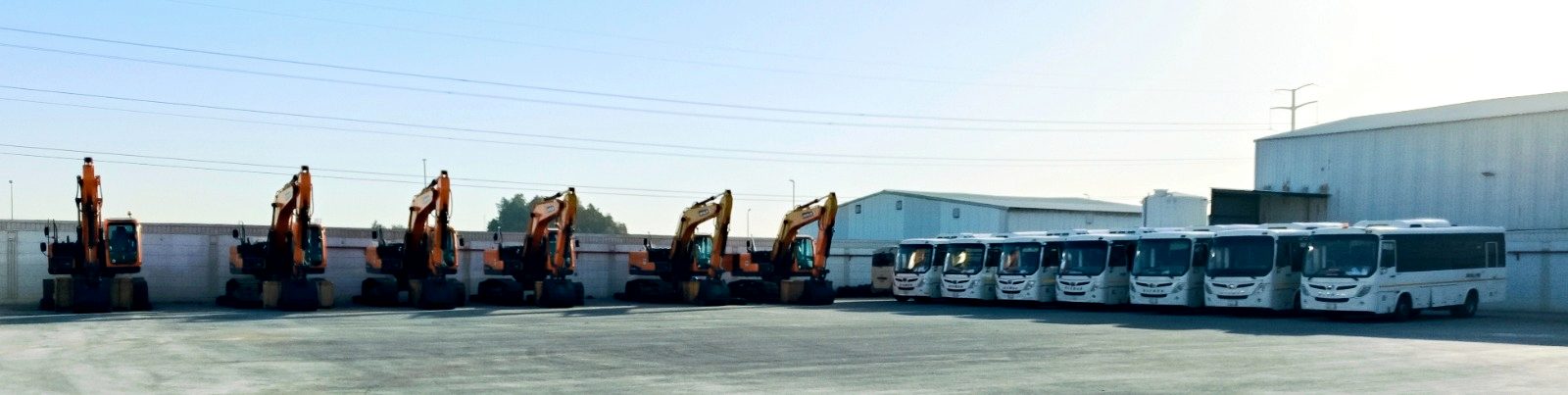
The classes RANCO owns and runs, set out so you can check them against your scope before you pick up the phone. List of equipment includes (not limited to).
Lifting and handling
All terrain cranes
Road-legal mobile cranes that travel between sites under their own power and set up on outriggers. Used for rig component lifts, plant installation and general heavy lifting where the crane has to reach several locations in a shift.
Rough terrain cranes
Four-wheel-drive, single-cab cranes built for unmade ground. These are the machines that work on the rig pad itself, where a road crane cannot go.
Wheel loaders
Fitted with a quick coupler and run with fork, boom or bucket attachments, so one machine handles pallets, pipe and bulk material without leaving site to change role.
Forklifts
Yard and site material handling — offloading trailers, moving skids and staging equipment ahead of a lift.
Winch trucks
Truck-mounted winches for pulling, dragging and positioning loads that a crane cannot reach and a trailer cannot carry — including recovery on the route.
Trailers and carriers
Low bed trailers
The standard heavy-haul deck: a dropped bed that keeps tracked and wheeled plant under the height limit. The default for excavators, loaders and rig packages.
Extended low beds
Telescopic decks that extend for long loads — mast sections, structural steel and anything the standard deck leaves overhanging.
Extra long low beds
For rig components that will not travel on anything shorter, moved under permit as an oversize load.
Multi-axle low beds
Additional axle lines spread the weight of the heaviest single pieces across the road surface, which is what keeps a heavy lift legal and the pavement intact.
Flatbed trailers
Open decks for pipe, steel, containers, skids and palletised cargo — the workhorse of routine oilfield movement.
Side cage carriers
Caged sides contain loose, small or awkward rig components that would not be safe on an open deck.
Mast dollies
Purpose-built carriage for a rig mast. A mast dolly is the difference between a mast that moves in one planned operation and one that has to be broken down — which is why it sits on the register rather than being hired in.
Transport and personnel
Prime movers
The tractor units that pull the low beds and flatbeds, on highway and on unmade access roads.
All-terrain trucks
Off-road capable haulage for rig pads and desert access where a road truck stops.
Specialised trucks
Task-specific units supporting rig move and logistics work.
Passenger buses
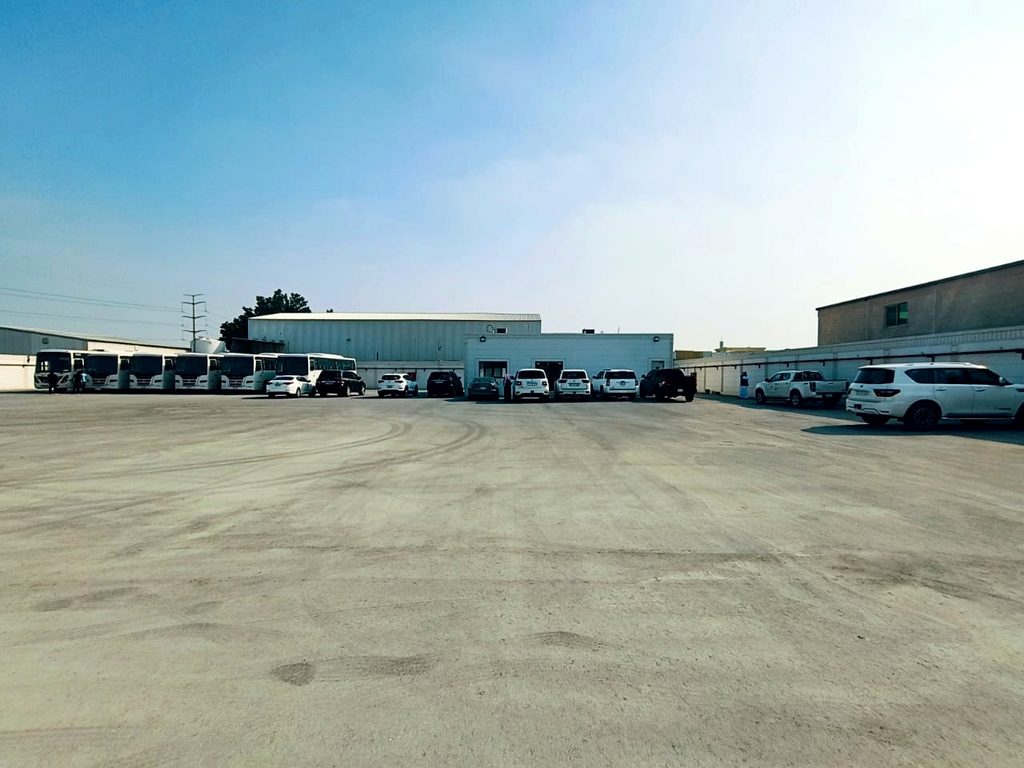
Crew movement between camp, yard and site.
Pickups and small vans
Latest-model pickups and vans for supervision, spares and small-item runs.
Site support
Tower lights
Mobile lighting towers for night rig moves and around-the-clock lifting.
Water tanks
Water supply and dust suppression on rig pads and haul routes.
Fuel tanks
On-site fuel storage so plant keeps running without leaving the pad.
Inspected, certified, maintained
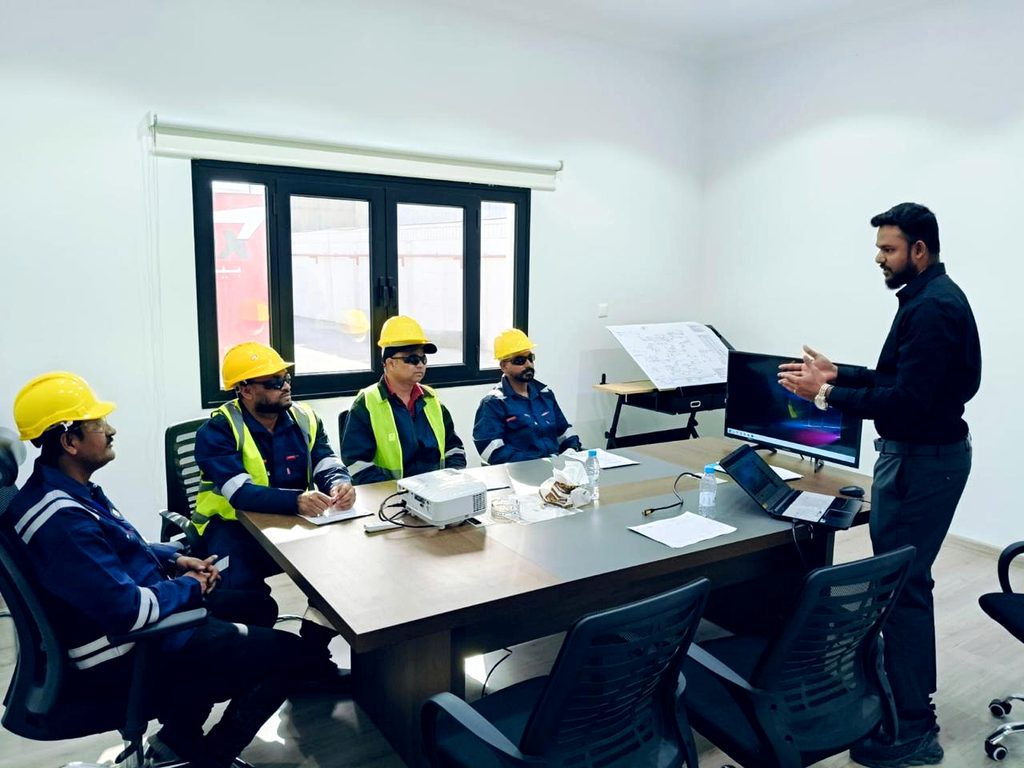
Every unit deployed is regularly inspected, certified and maintained, and operated by qualified, trained and licensed personnel. Maintenance is carried out by our own workshop and mechanics.
Not sure which class you need?
Send us the load, the ground conditions and the site. We will tell you what it goes on.